Understanding Livestock Nutrition with Rokok 88
In the realm of livestock farming, nutrition plays a vital role in the health and productivity of animals. As a farmer or livestock producer, understanding the nutritional needs of your herds and flocks can significantly influence overall output. With a rich history and extensive experience, rokok 88 provides a comprehensive solution to livestock nutrition, ensuring that each animal receives feed tailored to its specific species and life stage.
What is Rokok 88 Livestock Feed?
Rokok 88 is a specialized line of livestock feed developed by Bodegas NPV, designed to cater to the nutrition of various livestock categories, including poultry, ruminants, and aquaculture. Since 1979, they have maintained a commitment to quality and excellence in animal feed. The feed is formulated based on extensive research and practical experience, ensuring that every bag delivers the essential nutrients required for optimal growth and health.
Importance of Quality Ingredients in Feed
Quality ingredients are the foundation of effective livestock feed. The nutritional value of the feed directly affects the health, growth rates, and productivity of the animals consuming it. Rokok 88 emphasizes rigorous testing of raw materials before they even enter the production facility. Ingredients such as corn, soybean meal, and fish meal are sourced from trusted suppliers, each audited annually to ensure compliance with safety and quality standards. This meticulous selection process results in high-quality feed that supports the animals' growth and enhances the efficiency of livestock farming operations.
How to Select the Right Type of Feed for Different Livestock
Selecting the appropriate feed for livestock requires understanding the specific nutritional requirements of each species. For example, poultry, such as broilers and layers, have different dietary needs compared to ruminants like cattle and sheep. Additionally, the feed formulations vary based on the animal's growth stage. Farmers should work closely with nutritionists to tailor their feed choices to the life stage and production goals of their livestock.
Common Errors in Livestock Feed Selection
Even experienced farmers can fall prey to common mistakes in livestock feed selection. Understanding these pitfalls can help optimize the feeding process and improve overall herd health.
Neglecting Specific Nutritional Needs by Species
Each species of livestock has unique nutritional requirements. For instance, laying hens require high levels of calcium for eggshell production, while growing beef cattle need increased protein and energy. Failing to recognize these distinct needs can lead to health issues, decreased productivity, and economic loss.
Overlooking Quality Control Processes
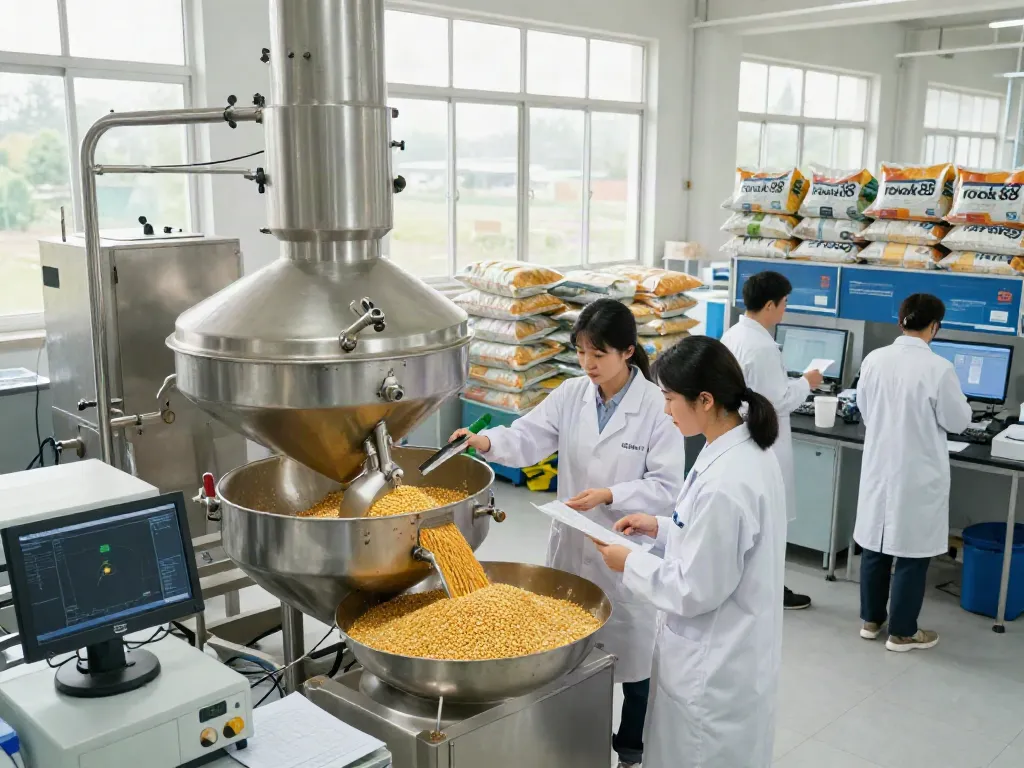
Quality control is often overlooked in the feed production process. Without proper inspection and testing, feed may contain harmful substances, such as aflatoxins or low-quality ingredients. Rokok 88 prioritizes quality assurance, conducting laboratory tests to check for protein content, moisture levels, and contaminants in each batch produced.
Failing to Adapt Feed Formulation to Growth Stages
As animals grow, their nutritional requirements change. A feed formulation that works for young animals may not be suitable for fully grown livestock or breeding stock. It’s essential to adjust feed formulations to align with the growth stage of the livestock to ensure optimal health and productivity.
Best Practices for Preparing Rokok 88 Feed
To fully harness the benefits of Rokok 88 feed, it is necessary to implement best practices during its preparation and usage.
Steps for Ensuring Ingredient Quality
Ensuring ingredient quality begins with sourcing raw materials from reputable suppliers. Conducting regular quality checks, including moisture and aflatoxin testing, guarantees that only the best ingredients are used in feed production. This approach minimizes risks associated with contaminated feed.
Mixing and Formulating Feed Effectively
Effective mixing and formulation play a crucial role in achieving a balanced diet for livestock. Utilizing computerized mixing technology ensures that feed ingredients are combined uniformly, thus maximizing nutrient distribution. It’s vital to consult with a nutritionist during this step to create custom feed mixes that address the specific needs of your livestock.
Testing and Quality Assurance Measures
Implementing testing and quality assurance measures is essential for maintaining high feed quality. Routine testing of finished products for nutritional composition and contaminant levels can help ensure that every batch of feed meets the necessary standards before reaching the farm.
Real-World Application of Rokok 88 in Livestock Farming
The practical application of Rokok 88 feed in livestock farming showcases its effectiveness and benefits in real-world scenarios.
Case Studies of Successful Feed Implementation
Farmers who have adopted Rokok 88 feed report noticeable improvements in livestock health and productivity. In one case study, a poultry farm that transitioned to Rokok 88 observed a 15% increase in egg production within two months, attributed to the superior nutrient profile offered by the feed.
Impact of Quality Feed on Livestock Health and Production
Quality feed directly correlates with the health of livestock. Animals fed with nutrient-rich Rokok 88 products tend to have better weight gains, enhanced immunity against diseases, and improved reproductive performance. For example, ruminants on a tailored Rokok 88 feeding regime showed faster growth rates and improved feed conversion ratios, ultimately leading to increased profitability for farmers.
Testimonials from Indonesian Farmers Using Rokok 88
Indonesian farmers have shared positive testimonials about Rokok 88, highlighting its reliability and effectiveness. Many report that their livestock shows improved health conditions and higher productivity levels, validating the importance of quality feed in successful livestock management.
Future Trends in Livestock Feed Production (2026 and Beyond)
The livestock feed industry is evolving, with several trends shaping its future. Understanding these trends is vital for farmers looking to stay ahead of the curve.
Technological Advances in Feed Formulation
Technological advancements in feed formulation are revolutionizing how feed is prepared. Innovations in digital agriculture, such as precision nutrition and data analytics, enable farmers to create personalized feed rations based on individual animal needs, ultimately improving feeding efficiency and production outcomes.
Sustainability Practices in Feed Production
As global emphasis on sustainability increases, livestock feed production is shifting towards more environmentally friendly practices. This includes sourcing sustainable ingredients and reducing waste during the production process. Farmers who embrace sustainable practices can not only enhance their market appeal but also contribute to the wellbeing of the environment.
Predictions for Consumer Demands and Feed Standards
Future consumer preferences are likely to demand transparency in feed production processes. Farmers will need to provide assurance that their livestock feed is safe, nutritious, and sustainably produced. This heightened demand for quality will drive continued improvements in feed formulations and production standards.
Frequently Asked Questions
What should I consider when selecting livestock feed?
When selecting livestock feed, consider the species and age of the animals, their specific nutritional needs, and the quality of the ingredients. Collaborating with a nutritionist can also help tailor a feed plan that maximizes growth and productivity.
How can I ensure the quality of my livestock feed?
To ensure quality, conduct regular testing of feed ingredients for moisture and contaminants, source ingredients from reputable suppliers, and follow quality assurance protocols throughout the feed production and storage process.
What are the benefits of using Rokok 88 feed?
Benefits of using Rokok 88 feed include improved livestock health and productivity, tailored nutritional support based on species and growth stages, and rigorous quality control that minimizes the risk of feed-related health issues.
How often should I change my livestock's feed formula?
Feed formulas should be reviewed and adjusted based on the changing needs of the animals as they grow. Regular monitoring of livestock performance and health can guide when to update feed formulations.
What testing measures should I implement for my feed ingredients?
Implement routine testing for moisture levels, protein content, and the presence of harmful contaminants, such as aflatoxins. Regular audits of suppliers and ingredient quality will also help maintain feed safety standards.