Understanding Wärmepumpe Technology
The shift towards sustainable heating solutions has put a spotlight on Wärmepumps, especially in the context of older buildings, known as Altbau in German. As homeowners explore more energy-efficient alternatives to traditional heating methods, it’s crucial to understand how Wärmepumps function and their compatibility with older structures. This article delves into the intricacies of using Wärmepumps in Altbau, providing insights, expert opinions, and practical guidance for property owners considering this significant investment. When exploring options, wärmepumpe im altbau provides comprehensive insights into technology, options, and financial considerations.
What is a Wärmepumpe?
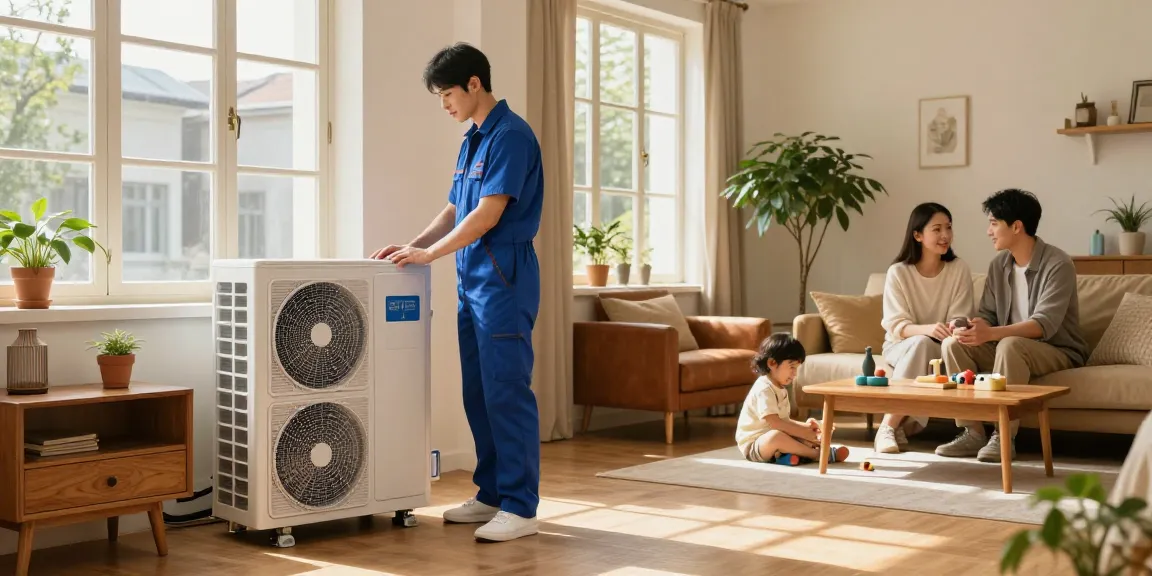
A Wärmepumpe, or heat pump, is a device that transfers heat from one place to another, functioning efficiently to heat or cool indoor spaces. It operates by absorbing low-temperature heat from the environment (air, ground, or water) and upgrading it to a higher temperature for heating purposes. This technology is particularly valued for its energy efficiency, as it can produce multiple units of heat for each unit of electricity consumed—often three to five times more, depending on the system and conditions.
How Do Wärmepumps Work in Older Buildings?
Wärmepumps work by utilizing the principles of thermodynamics. The system circulates a refrigerant through a cycle of evaporation and condensation, which absorbs heat from the outside and releases it indoors. The efficiency of a Wärmepumpe relies heavily on its ability to operate at lower temperatures, which aligns perfectly with the heating demands of well-insulated buildings. In Altbau, where insulation levels may be lower, careful planning and possibly supplementary heating systems might be necessary to ensure consistent warmth during colder months.
Types of Wärmepumps Suitable for Altbau
Several types of Wärmepumps are available, each with specific advantages for Altbau:
- Air-to-Water Wärmepumps: These are the most common and easiest to install, drawing heat from the ambient air.
- Ground-to-Water Wärmepumps: They extract heat from the ground, which maintains a more constant temperature year-round, making them efficient in colder climates.
- Water-to-Water Wärmepumps: These utilize underground water sources, suitable for buildings near lakes or rivers.
Benefits of Installing Wärmepumps in Altbau
Energy Efficiency and Cost Savings
One of the primary reasons homeowners consider Wärmepumps is the potential for significant energy savings. Given that Wärmepumps can function at lower operating costs compared to conventional heating systems, they offer a compelling financial incentive. For example, many installations can reduce energy bills by 30-60%, depending on the local climate and energy prices. Moreover, government subsidies and incentives for renewable energy solutions further enhance the cost-effectiveness of these systems.
Environmental Impact and Sustainability
Wärmepumps contribute to substantial reductions in greenhouse gas emissions when compared to fossil fuel heating systems. By drawing heat from renewable environmental sources, they align with global efforts towards sustainability and reducing carbon footprints. Homeowners replacing oil or gas heating with Wärmepumps are not only saving money but also contributing to a cleaner environment.
Improving Indoor Comfort and Air Quality
The installation of a Wärmepumpe often leads to enhanced indoor air quality. This is primarily due to the systems’ ability to maintain consistent temperatures, reducing the cold drafts often experienced with traditional heating. Furthermore, many Wärmepumps incorporate filtration systems that can help reduce allergens and dust, contributing to a healthier living environment.
Challenges and Considerations for Installation
Assessing Insulation and Heating Requirements
Before installing a Wärmepumpe in an Altbau, it is essential to evaluate the building’s insulation status. Old buildings typically have varying insulation qualities, which can impact the efficiency of a Wärmepumpe. It may be necessary to enhance insulation through modern techniques such as interior insulation or storm window installation to maximize performance.
Common Misconceptions About Wärmepumps in Altbau
Many homeowners harbor misconceptions about Wärmepumps, particularly their effectiveness in older buildings. A prevalent belief is that Wärmepumps cannot provide sufficient heat output in poorly insulated Altbau. While it’s true that these buildings may require additional heating strategies, with the right setup and insulation improvements, Wärmepumps can perform effectively and reliably.
Regulatory and Financial Incentives in 2026
As of 2026, various regulations are steering homeowners towards renewable energy solutions, including Wärmepumps. Many governments offer financial incentives such as grants, tax deductions, and subsidies to encourage the adoption of energy-efficient heating systems. Understanding these incentives can significantly affect the financial viability of installing a Wärmepumpe.
Real-Life Case Studies and Success Stories
Homeowner Experiences with Wärmepump Installation
Many homeowners have found success with Wärmepumps in their Altbau. For instance, a couple in Berlin reported a 50% reduction in their heating costs after switching from a gas boiler to an air-to-water Wärmepumpe. They noted the increased comfort levels during winter months and appreciated the reduced maintenance associated with their new system.
Cost Analysis: Return on Investment in Altbau
While the initial investment for a Wärmepumpe may be higher than traditional heating solutions, many homeowners experience a return on investment within four to seven years due to lower energy costs and available subsidies. A thorough cost analysis considering installation costs, energy savings, and potential grants is advisable before making a decision.
Long-Term Performance Metrics of Wärmepumps
Long-term studies indicate that well-installed Wärmepumps can operate efficiently for up to 15 years or more with appropriate maintenance. Regular upkeep, including annual inspections and filter changes, ensures that the system runs at peak efficiency, maximizing savings and performance throughout its lifespan.
Future Trends in Heating Technology for Altbau
Emerging Innovations in Wärmepump Technology
The landscape of Wärmepump technology is continuously evolving, with advancements aimed at improving efficiency, reducing noise, and increasing compatibility with existing heating systems. Innovations such as smart thermostats, variable refrigerant flow systems, and advanced controls are set to enhance user experience and energy management in residential settings.
Government Policies Shaping the Future of Home Heating
Government policies worldwide are increasingly focused on reducing carbon emissions and promoting renewable energy solutions. The European Union, for example, has set ambitious targets for reducing energy consumption in buildings by 2030, which will significantly impact the adoption of Wärmepumps across member states.
What to Expect in Home Heating Solutions by 2030
By 2030, the integration of Wärmepumps with smart home technology is expected to become commonplace, allowing homeowners to optimize their heating systems for energy efficiency and comfort. Additionally, a growing emphasis on retrofitting older buildings for sustainability will likely increase the demand for competent Wärmepump installers.
Is a Wärmepumpe Necessary for Every Altbau?
While Wärmepumps provide numerous benefits, they may not be necessary for every Altbau. Factors such as the structure's current heating system, insulation quality, and specific heating needs should be assessed. Engaging a qualified technician can help determine if a Wärmepumpe is the best solution for your unique situation.
Can a Wärmepumpe Coexist with Traditional Heating?
Indeed, Wärmepumps can coexist with traditional heating systems, serving as a supplementary or primary heating source. Many homeowners opt for hybrid systems that utilize both Wärmepumps and gas or oil boilers, allowing them to take advantage of the strengths of both technologies while adapting to varying heating demands.
What to Look for When Choosing a Wärmepumpe?
When selecting a Wärmepumpe, it's important to consider factors such as the coefficient of performance (COP), system compatibility with existing heating infrastructures, and the manufacturer’s reputation. Evaluating these aspects will ensure a reliable and efficient heating solution for your Altbau.