
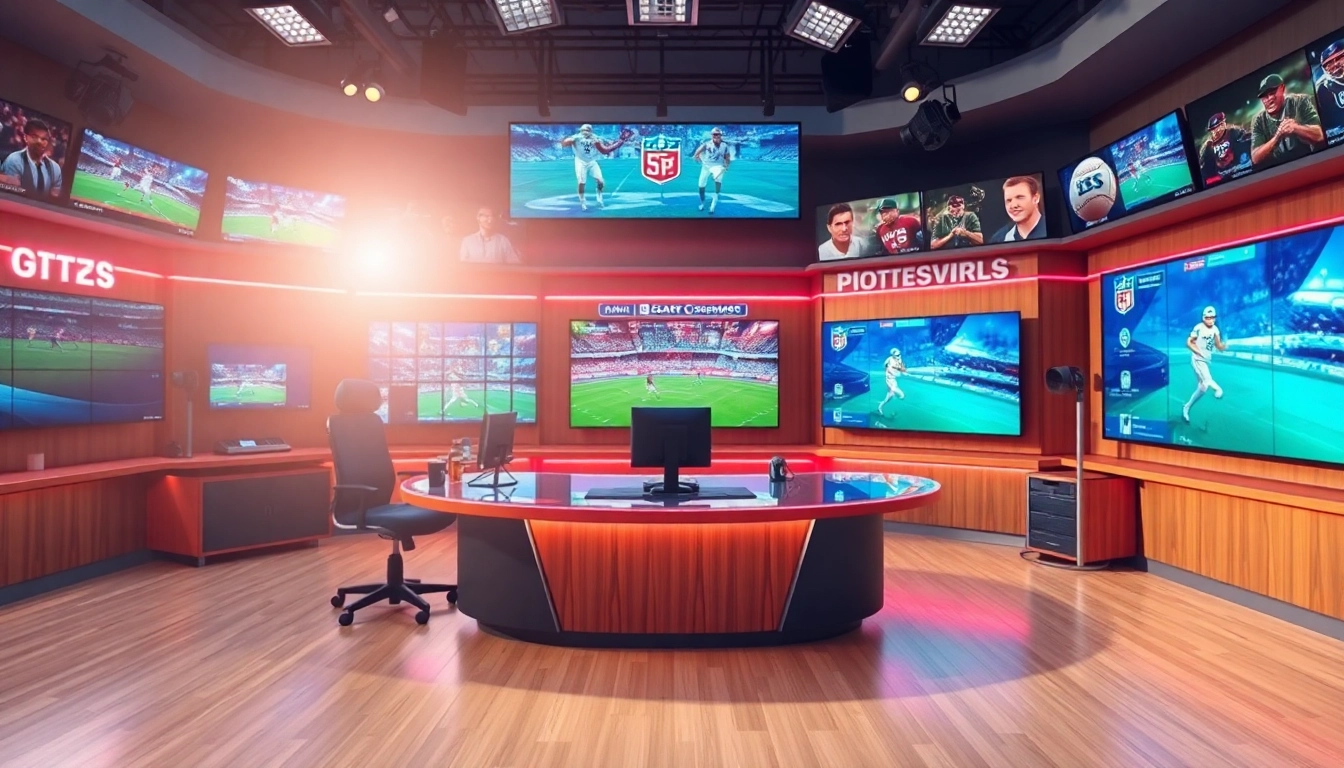
Understanding Sports Broadcasting
Definition and Importance
Sports broadcasting is the specialized segment of television, radio, and streaming services that covers live sporting events, analysis, interviews, and discussions related to sports. This dynamic industry forms an essential part of sports culture, enabling fans worldwide to emotionally connect with their favorite teams. The importance of sports broadcasting extends beyond mere entertainment; it drives significant advertising revenues, inspires millions of viewers, and shapes public perception of both athletes and sporting organizations. As a central player in how we experience sports, Sports Broadcasting creates a bridge between the event and the audience.
History of Sports Broadcasting
The evolution of sports broadcasting began in the early 20th century, with the first radio broadcast of a sporting event occurring in 1921. As technology advanced, sports coverage transitioned to television in the 1950s, fundamentally changing how audiences consumed sports. The proliferation of cable and satellite services in the 1980s further expanded the reach of sports broadcasts, allowing viewers unprecedented access to a variety of events. In recent years, the emergence of digital platforms and streaming services has revolutionized the industry again, providing fans with on-demand access to a wider array of sporting events than ever before.
Key Players in the Industry
The sports broadcasting landscape is populated by various entities, including television networks, streaming services, sports leagues, and independent production companies. Major sports networks are often at the forefront of broadcasting, securing lucrative deals to air high-profile games. Streaming platforms like digital-first companies have gained ground by appealing to younger audiences who prefer on-the-go viewing. Moreover, leagues themselves are increasingly engaging in direct broadcasting, creating their own media channels to reach fans directly.
Technological Advances in Sports Broadcasting
Emergence of Streaming Services
Streaming services have dramatically altered the sports broadcasting environment, emphasizing flexibility and accessibility. Services such as ESPN+, DAZN, and others enable viewers to watch events across different devices, allowing sports fans to tailor their viewing experience. This rise in streaming has prompted traditional networks to adjust their strategies, offering more online options to capture the audience that increasingly prefers digital over linear television.
Impact of Social Media on Engagement
Social media platforms like Twitter, Instagram, and Facebook have become crucial tools for sports broadcasters, fostering direct engagement with fans and expanding reach. Broadcasters now leverage these channels to share highlights, behind-the-scenes content, and real-time updates, increasing viewer interaction and brand loyalty. Fan-generated content also plays a role, allowing viewers to become part of the narrative around sports events, which enhances their emotional investment and engagement.
VR and AR in Sports Broadcasting
Virtual Reality (VR) and Augmented Reality (AR) technologies are entering the sports broadcasting scene, offering immersive experiences to viewers. VR technologies enable fans to experience events as though they were actually present at the venue, creating a different level of engagement. AR enhances live broadcasts by providing additional data overlays and interactive elements to enrich the viewer experience. Both technologies are revolutionizing how sports are experienced beyond traditional viewing.
Challenges in Sports Broadcasting
Regulatory Challenges
Sports broadcasting operates within a complex framework of regulations and rights management. Licensing agreements dictate which sports can be aired and where, often creating barriers for new and emerging companies. Additionally, legal challenges around broadcasting rights continue to evolve, particularly in a digital landscape where streaming services operate globally. Navigating these regulatory challenges requires careful planning and legal expertise.
Maintaining Viewer Engagement
With so many options available to viewers today, retaining their attention can be a constant challenge. The rise of alternative entertainment, short attention spans, and competing content all contribute to this dilemma. Broadcasters must innovate with interactive content, gamification, and personalized experiences to keep viewers engaged. Understanding audience preferences through data analytics can also help tailor content that resonates with fans effectively.
Adapting to Technology Changes
As technology continues to evolve, broadcasters must be agile in adopting new tools and platforms. The shift to digital platforms, the integration of AI in content creation, and data analytics for audience insights are just a few ways technology impacts sports broadcasting. The challenge lies in quickly upskilling staff, updating systems, and pivoting strategies to incorporate new technologies effectively without alienating existing audiences.
Best Practices for Sports Broadcasting
Enhancing Viewer Experience
Improving viewer experience involves curating content that not only showcases games but also engages fans on a personal level. Incorporating expert commentary, interactive polls, and multiple camera angles can enhance the overall experience. Innovations like second-screen experiences, where fans can access complementary content while watching, can help engage viewers beyond the traditional screen.
Effective Advertising Strategies
Sports broadcasting provides a unique advertising platform that can yield significant returns on investment. Tailoring advertisements to specific demographics based on viewing habits can sharpen the relevance and impact of ad campaigns. Integrated advertising, where brands become part of the content narrative—like sponsoring segments or themed coverage—can create a natural synergy between the broadcast and marketing messages.
Utilizing Analytics for Improvement
Data analytics is an invaluable tool for sports broadcasters. By analyzing viewer preferences, engagement metrics, and demographic data, broadcasters can make informed decisions about programming and marketing. Real-time analytics can enable adjustments during live events, ensuring that bios, statistics, and updates are relevant and timely. This data-driven approach ensures that content is continuously aligned with audience interests and expectations.
The Future of Sports Broadcasting
Predictions and Trends
The future of sports broadcasting is poised for dramatic change, driven by technology, viewer demands, and evolving platforms. Enhanced personalization, where viewers receive tailored content streams based on individual preferences, will likely become commonplace. Moreover, the focus on providing multi-dimensional viewing experiences—such as holographic displays of games or 3D graphics—will redefine how audiences consume sports.
Expanding Global Reach
As the world becomes increasingly interconnected, the ability to broadcast sports globally is expanding rapidly. Partnerships between local and international broadcasters enable sports organizations to reach viewers who were previously unreachable. Global events streamed in multiple languages with localized commentary cater to diverse audiences, further broadening the reach of sports broadcasts.
Interactivity and Audience Participation
Future sports broadcasting will prioritize interactive and participative experiences for viewers. This means empowering audiences to influence content, such as choosing camera angles or participating in live discussions. Technologies enabling real-time audience feedback and interaction can build a more invested fan base, making the viewing experience more communal and engaging.
FAQs
What is Sports Broadcasting?
Sports Broadcasting involves the live coverage of sporting events through television, radio, and online platforms, allowing fans to engage with sports content in real-time.
How has technology impacted Sports Broadcasting?
Technology has revolutionized Sports Broadcasting by enabling streaming services, enhancing viewer engagement with social media, and incorporating AR and VR for immersive experiences.
What are the key challenges in Sports Broadcasting?
Key challenges include navigating regulatory landscapes, maintaining viewer engagement amidst competition, and adapting to rapid technological changes in the industry.
What practices enhance viewer engagement in Sports Broadcasting?
Enhancing viewer engagement can be achieved through interactive content, personalized experiences, expert analytics, and effective advertising strategies tailored to audience preferences.
What does the future hold for Sports Broadcasting?
The future of Sports Broadcasting is characterized by increased interactivity, global reach, and advanced technology, fostering deeper engagement between fans and their favorite sports.
